In What is Art? (Sanat Nedir?), Lev Nikolayevich Tolstoy embarks on a formidable deconstruction of the aesthetic paradigms that have governed Western civilization since the Renaissance. Stripping away the mystical and philosophical veils draped over the concept of beauty by thinkers ranging from Baumgarten to Hegel, Tolstoy presents a rigorously utilitarian and moralistic vision of artistic expression. The text operates not merely as a critique of contemporary aesthetics, but as a sociological indictment of the upper classes who have hijacked art to serve their own hedonistic pursuits.
Tolstoy's fundamental assertion is that art is not the manifestation of some divine idea of beauty, nor is it a mechanism for generating pleasure. Instead, he defines art through the mechanism of emotional contagion. For Tolstoy, art is a human activity consisting in this: that one man consciously, by means of certain external signs, hands on to others feelings he has lived through, and that other people are infected by these feelings and also experience them. This structural reduction shifts the epicenter of artistic value from the aesthetic to the ethical, from the form of the work to its communicative efficacy. If a work fails to transmit a sincere emotion that unites people, it ceases to be art and becomes a mere counterfeit, regardless of its technical virtuosity.
What is particularly fascinating from a comparative literature perspective is Tolstoy’s ruthless dismantling of the French Symbolists and Decadents. He directs his ire at figures like Charles Baudelaire, Paul Verlaine, Stéphane Mallarmé, and Maurice Maeterlinck, accusing them of deliberate obscurity and moral bankruptcy. By elevating obscurity to a dogma—as championed by Mallarmé's insistence on "allusion" and "mystery"—these poets, according to Tolstoy, have severed the vital communicative link that makes art universal. Tolstoy views their work as symptomatic of a diseased, exclusive society that values the morbid, the erotic, and the hyper-refined over the simple and the universal. In his reading, the 'art for art's sake' movement is nothing but an elitist charade, a labyrinth of borrowing, imitation, and superficial effects designed to entertain an idle aristocracy.
Furthermore, Tolstoy identifies three institutional culprits responsible for the proliferation of this "counterfeit art": the professionalization of the artist, the institution of art criticism, and the establishment of art schools. He argues that true art requires absolute sincerity and a genuine inner compulsion to express an emotion, qualities that cannot be mass-produced for financial gain or taught in academies. Critics, in his view, are often individuals whose capacity to be "infected" by art has atrophied, leading them to praise intellectually complex but emotionally barren works. Consequently, the public's taste is corrupted, and the authentic, unifying power of art is lost.
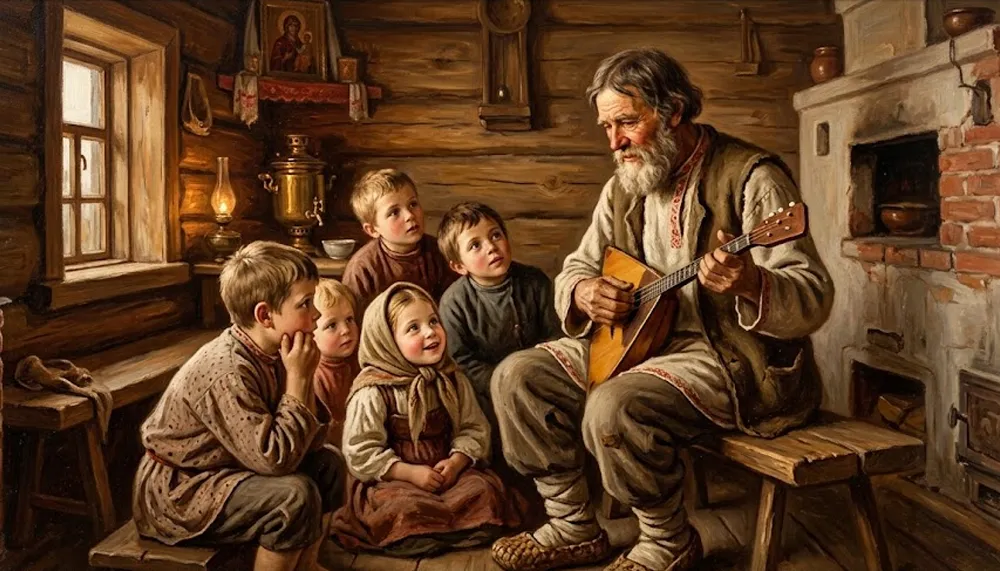
Ultimately, Tolstoy's treatise is a passionate plea for a return to what he considers "Christian art"—art that fosters universal brotherhood and love, or art that communicates simple, everyday feelings accessible to all humanity, such as the biblical story of Joseph. While one might argue that his total dismissal of complex, highly formalized art (including his rejection of Beethoven's Ninth Symphony) is excessively reductive and overlooks the nuanced intellectual pleasures of structural aesthetics, the moral force of his argument remains undeniable. He forces the reader to confront uncomfortable truths about the socio-economic foundations of artistic production and the often exclusionary nature of 'high culture'. Tolstoy's text is a monumental, iconoclastic work that challenges us to re-evaluate the very purpose of creation in a divided world.