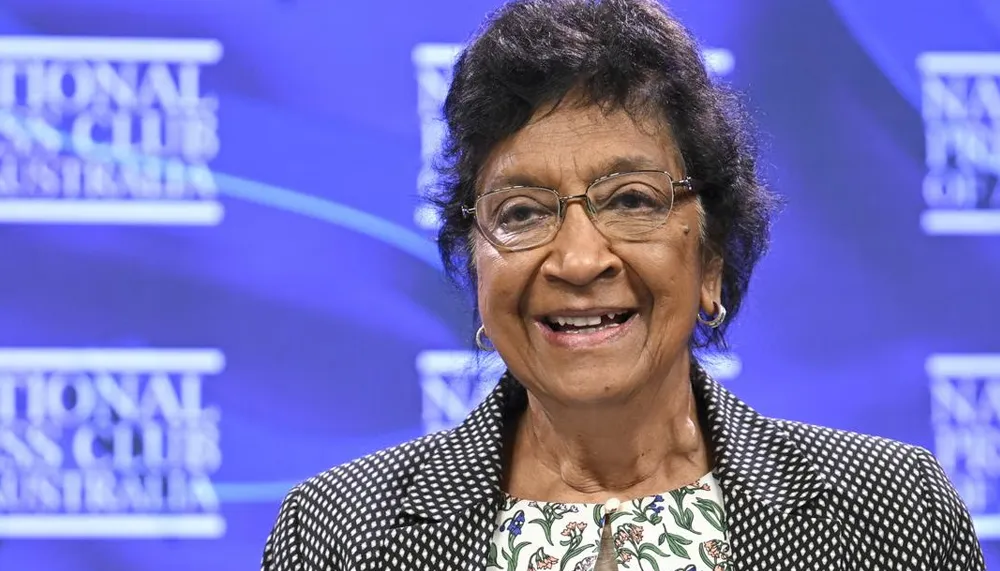
The Norwegian Nobel Committee has recognized Navi Pillay’s relentless efforts to strengthen international justice. Her extensive career has significantly broadened the scope of international law, holding perpetrators of war crimes and crimes against humanity accountable on the global stage.
"Peace requires justice," the committee emphasized, reminding the world that the rule of law is the essential bedrock of non-violent conflict resolution. Pillay's work across various international courts and as the UN High Commissioner for Human Rights has cemented this principle into actionable international frameworks.
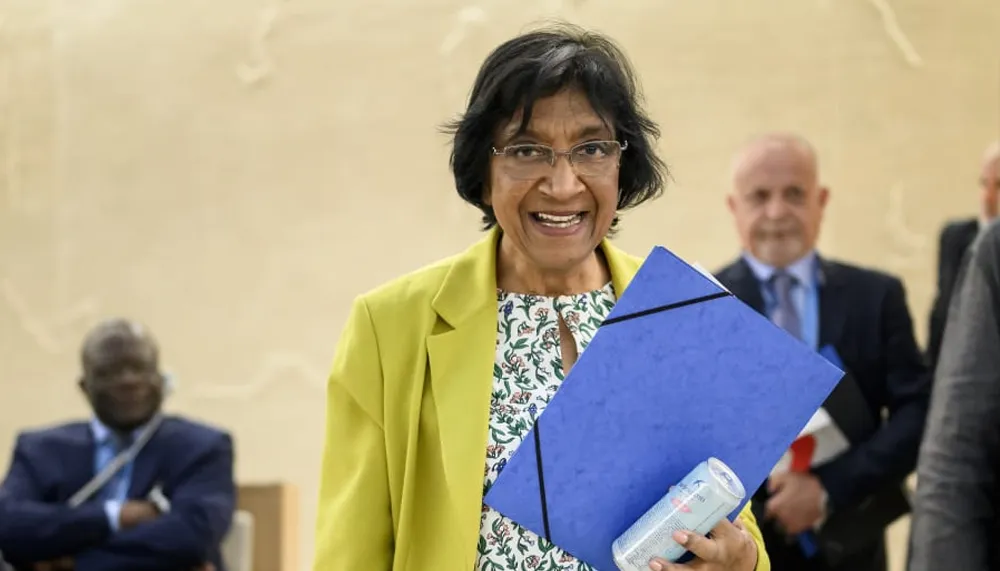
From Apartheid South Africa to Global Tribunals
Born into an Indian Tamil family in Durban during the apartheid era, Pillay's legal journey began by fighting systemic racial discrimination and defending anti-apartheid activists. This foundational struggle in South Africa deeply shaped her unwavering commitment to universal human rights.
She subsequently broke barriers by serving as a judge on South Africa's High Court, the International Criminal Court, and the International Criminal Tribunal for Rwanda. During her tenure in Rwanda, she played a pivotal role in landmark rulings that legally established rape and sexual violence as acts of genocide and crimes against humanity.
The Gaza Genocide Inquiry and Ongoing Impact
In her recent high-profile role, Pillay chaired the UN Independent International Commission of Inquiry on the Occupied Palestinian Territory from July 2021 until her departure in 2025. Her leadership culminated in a comprehensive report presented to a UN General Assembly committee in October 2025.
The commission's rigorous legal analysis formally concluded that the State of Israel was responsible for four distinct genocidal acts in Gaza, driven by the specific intent to destroy the Palestinian population. Pillay also explicitly stated that top officials, including the Israeli President, Prime Minister, and former Defense Minister, had incited the commission of genocide.
Beyond the Middle East, Pillay continues to influence the highest levels of global justice. She currently serves as an ad hoc judge at the International Court of Justice in the critical case brought by The Gambia against Myanmar concerning the genocide of the Rohingya minority.